Buy Stainless Steel Flange Hubbed Slip Wn Flange Suppliers, Factory
Product Description
1. Definition
2. Types of Flanges
By Connection Type
By Face Type
- Flat Face (FF) – For low-pressure applications, full contact with gasket.
- Raised Face (RF) – Most common, with a raised sealing surface.
- Ring-Type Joint (RTJ) – Uses a metal ring gasket for high-pressure/temperature.
- Tongue & Groove (T&G) – Ensures precise alignment and sealing.
3. Materials
- Carbon Steel (ASTM A105) – General-purpose use.
- Stainless Steel (ASTM A182 F304/316) – Corrosion-resistant.
- Alloy Steel (ASTM A182 F11/F22) – High-temperature applications.
- Duplex/Super Duplex – For aggressive environments.
- PVC/CPVC – Used in low-pressure corrosive systems.
4. Standards & Specifications
5. Pressure Ratings
- Class 150, 300, 600, 900, 1500, 2500 (ASME)
- PN6, PN10, PN16, PN25, PN40 (EN)
6. Applications
7. Installation & Gaskets
Frequently Asked Questions (FAQ)
A flange is designed to connect pipes, valves, pumps, and other equipment to form a piping system. It allows easy assembly, disassembly, maintenance, cleaning, and inspection of system components.
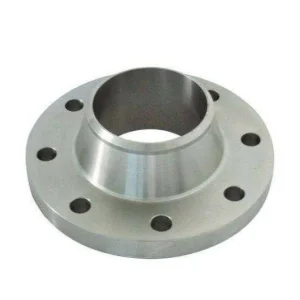
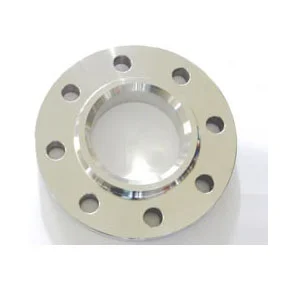
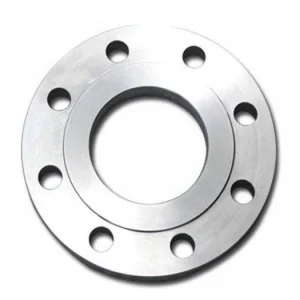
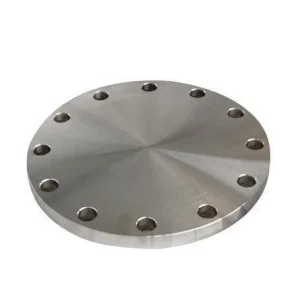
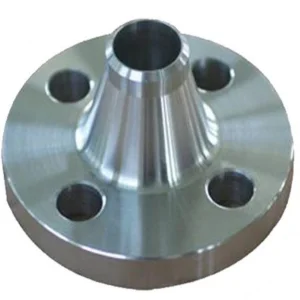
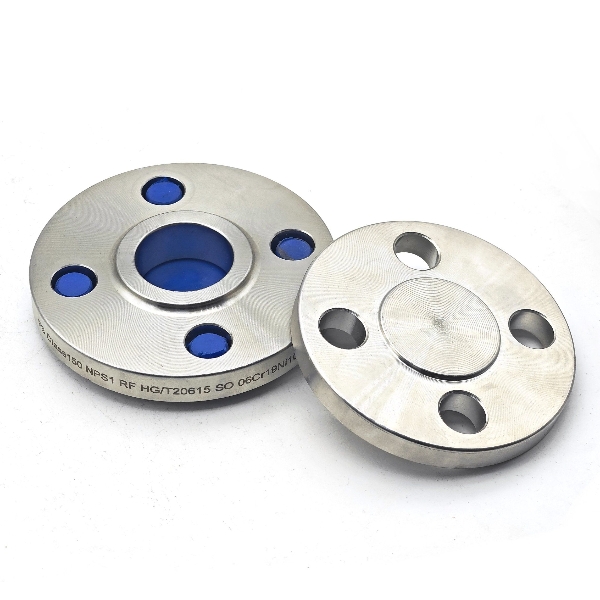
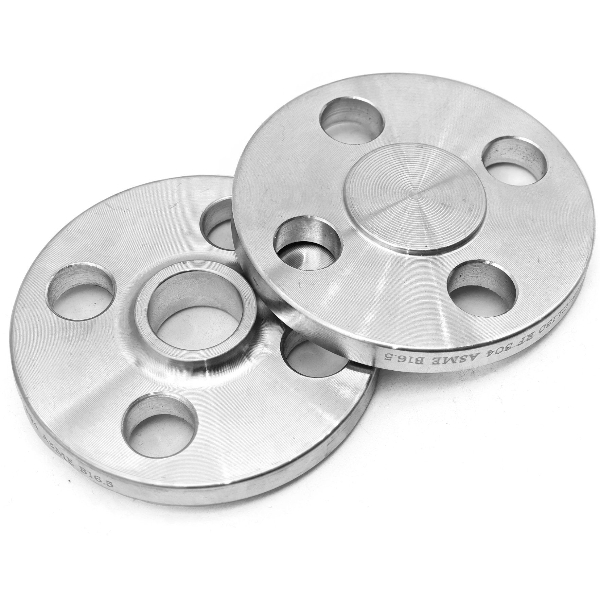
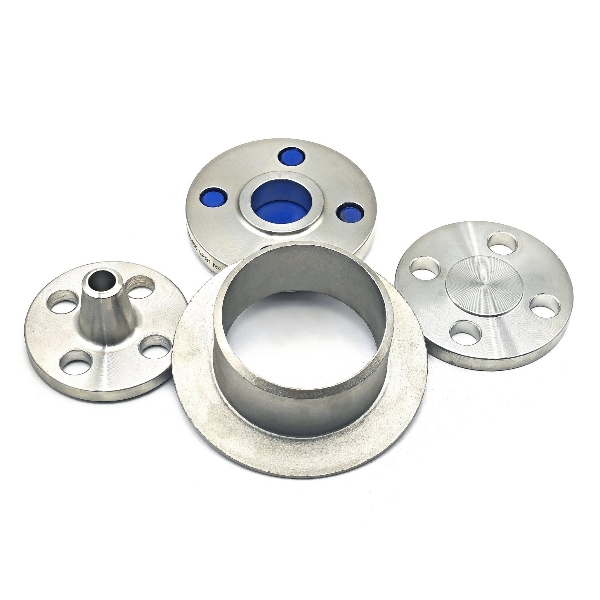
The most widely used connection types include Weld Neck (WN) for high pressure, Slip-On (SO) for moderate pressure, Socket Weld (SW), Lap Joint (LJ), Threaded (THD), and Blind (BL) flanges used to seal pipe ends.
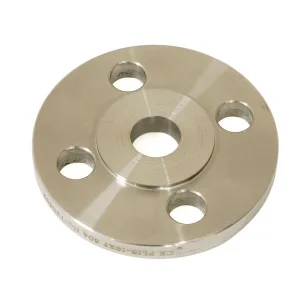
Material selection depends on fluid compatibility, pressure, and temperature. Carbon Steel (ASTM A105) is standard for general use, Stainless Steel (ASTM A182 F304/316) offers corrosion resistance, while Alloy Steel and PVC/CPVC suit high-temp or specialized chemical needs.
Class ratings (e.g., Class 150, 300, 600) follow the American standard (ASME/ANSI), whereas PN ratings (e.g., PN10, PN16, PN40) follow the European standard (EN/DIN) to specify pressure-temperature limits.
Gaskets create a tight seal between two mating flange faces when properly bolted, preventing fluid or gas leaks under operational pressure and temperature variations.
Key global standards include ASME/ANSI B16.5 for sizes up to 24", ASME B16.47 for larger diameters, API 6A for oil & gas wellhead equipment, and EN 1092-1 for European specifications.